What Exactly Are Modified Apps?
When we talk about 'modified apps,' I'm referring to altered versions of legitimate, original applications. Think about an app you use every day, maybe a social media client, a game, or a productivity tool. A modified version of that app is one that someone, often an unauthorized third party, has taken, tweaked, and then redistributed. They've essentially reverse-engineered the original, made changes to its code, and repackaged it. This isn't just a minor cosmetic change; it's often a deep dive into the application's core functionality to unlock hidden features or remove restrictions.
These modifications can range pretty widely. Sometimes, they're designed to give you premium features without needing to pay for a subscription. Other times, the goal is to strip away annoying advertisements that plague the free versions of apps. You might even find versions that offer entirely new functionalities that the original developer never intended, or provide unlimited in-game currency or resources. It's an attractive proposition for many, I can tell you, especially when you're looking to bypass paywalls or enhance your digital experience without opening your wallet.
The Allure: Why People Seek Them Out
I get it, the appeal of modified apps is pretty strong for a lot of folks. There's a certain thrill in getting something for nothing, isn't there? For many, the primary draw is simply cost savings. Why pay for a premium subscription when you can get all those features for free? It's a question a lot of us ask ourselves, especially when budgets are tight.
Beyond saving money, people are often looking for an enhanced user experience. Imagine an app that's usually full of banner ads and pop-ups; a modified version might remove all of that, making for a much smoother, distraction-free interaction. Gamers often look for mods that give them advantages, like unlimited lives or resources, which can certainly make a difficult game more enjoyable. Some users even seek out modified apps to get features that are region-locked or otherwise unavailable in their version of the official application. It’s all about control, really – taking back some agency over the software we use daily.
The Unseen Dangers: A Critical Look at the Risks
While the benefits of modified apps might seem enticing on the surface, I think it's absolutely crucial that we talk about the very real and often severe dangers lurking beneath. This isn't just about developers losing a few bucks; it's about your personal security, privacy, and the stability of your devices. Trust me, the risks far outweigh the perceived gains for most users.
Significant Security Risks
Let's be very direct here: modified apps are a major security vulnerability waiting to happen. When you download an app from an unofficial source, you're essentially trusting a complete stranger with access to your device. There’s no vetting process like you’d find with official app stores. Malicious actors frequently inject malware, spyware, or even ransomware into these modified versions. Once installed, these rogue elements can:
- Steal personal data: Your login credentials, banking information, photos, and messages could all be compromised.
- Monitor your activity: Keyloggers can record everything you type, and spyware can track your location or even activate your camera and microphone without your knowledge.
- Take control of your device: In extreme cases, attackers could gain remote access, turning your phone or tablet into a bot for their own nefarious purposes.
- Inject unwanted ads: Even if not outright malicious, many modified apps bombard you with excessive, intrusive advertisements, often from shady networks.
It's not just a hypothetical threat; I've seen countless reports of users falling victim to these exact scenarios. The modifications aren't just about unlocking features; they can also be about opening backdoors for hackers.
Serious Privacy Concerns
Beyond direct security breaches, we've got to consider privacy. Modified apps often request far more permissions than they legitimately need to function. Why would a modified game need access to your contacts or SMS messages? It probably doesn't, but the altered code might be designed to collect this data and send it off to third-party servers. Your digital footprint, your personal habits, and your communications become a valuable commodity for those distributing these apps. I always tell people to be incredibly wary of apps asking for permissions that seem totally unrelated to their core function.
Instability and Performance Issues
Another common problem I encounter with modified apps is their sheer unreliability. They're often poorly coded, hastily put together, and haven't undergone the rigorous testing that official applications do. This means you're more likely to experience:
- Frequent crashes: The app might just shut down unexpectedly, losing any unsaved work or progress.
- Bugs and glitches: Features might not work as intended, or the app might behave erratically.
- Poor performance: Modified apps can consume excessive battery, slow down your device, or hog system resources.
- Compatibility issues: They might not work correctly with your device's operating system updates, or with other legitimate apps you have installed.
Honestly, it can be a really frustrating user experience, and it's not worth the headaches, in my opinion.
Legal and Ethical Implications
Let's not forget the legal and ethical side of things. Using modified apps often violates the software's terms of service, which can lead to your account being banned or suspended by the original service provider. For instance, if you use a modified version of an online game, you could permanently lose access to your account and all its progress. Furthermore, distributing or even using these apps can sometimes constitute copyright infringement, though legal action against individual users is rare, it's certainly not impossible. It also undermines the hard work of developers who rely on legitimate purchases or ad revenue to sustain their projects and innovate.
How to Spot a Modified App (and Why You Should Avoid Them)
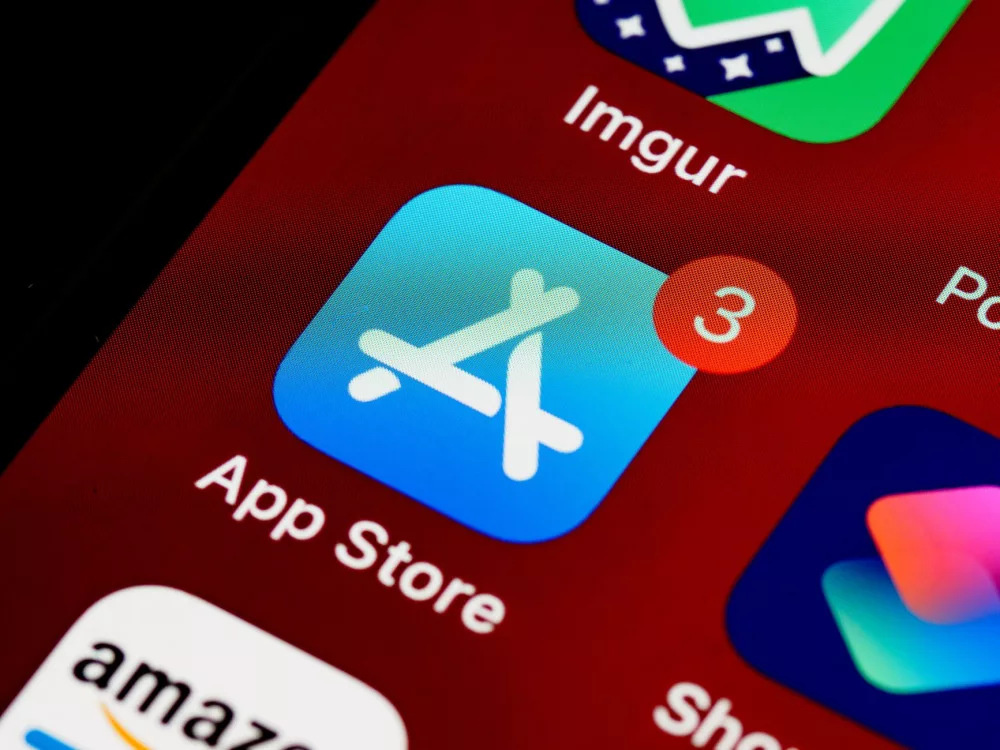
So, how do you steer clear of these potential pitfalls? It's not always obvious, but there are some clear warning signs. First off, if you're downloading an app from an unofficial app store or a random website rather than Google Play or Apple's App Store, you're almost certainly dealing with a modified version. Another big red flag is when an app promises features that seem too good to be true, like 'all premium features unlocked' or 'unlimited resources' for free. Pay close attention to the permissions an app requests; if a simple wallpaper app wants access to your microphone and contacts, that's a huge neon sign saying 'danger!' Ultimately, I always advocate for sticking to official channels for your software. It’s the safest bet for your digital well-being.
Alternatives to Modified Apps
If you're tempted by modified apps, I suggest considering some more legitimate alternatives. Many apps offer a freemium model where you can enjoy basic functionalities for free and upgrade if you find value in the premium features. Look for sales or discounts on subscriptions – developers often offer these. You might also discover excellent open-source alternatives that provide similar functionalities without any cost or ethical dilemma. Supporting the developers of apps you love, even if it's just with the ad-supported version, helps ensure they can continue creating and improving the software we all benefit from. It's a small price to pay for security, stability, and peace of mind, really.