What Exactly is a General Power of Attorney?
When we talk about preparing for life's uncertainties, a General Power of Attorney (GPOA) often comes up, and for good reason. It’s a pretty significant legal document, I’ve got to tell you. Essentially, it's a written authorization that lets one person, known as the agent (or attorney-in-fact), act on behalf of another person, called the principal, in a wide array of legal and financial matters. Think of it as giving someone the legal right to stand in your shoes for financial decisions. It's a really powerful tool for managing your affairs, especially if you ever become unable to do so yourself, or simply for convenience.
I've seen firsthand how helpful these documents can be for families. It grants comprehensive authority, which is why we call it 'general.' This isn't just about paying one specific bill; it typically covers almost every financial transaction you can imagine.
Key Players in a GPOA
Before we get too deep, let's just quickly identify the two main roles involved:
- The Principal: That's you! You're the person creating the document and granting the authority. It's your life, your assets, your decisions being delegated.
- The Agent (or Attorney-in-Fact): This is the individual you choose to act on your behalf. They don't have to be a lawyer, despite the 'attorney' in the name. They are your trusted representative.
The Broad Scope of Authority a GPOA Grants
Unlike a 'limited' or 'special' Power of Attorney, which grants authority for specific, defined tasks (like selling a single property or handling one bank account), a General Power of Attorney is designed to be comprehensive. When you sign one, you're essentially saying, 'Hey, agent, you can pretty much handle all my financial business.' I mean, it's a huge deal!
The powers typically granted can include things like:
- Managing bank accounts, including making deposits and withdrawals.
- Handling investment portfolios, buying and selling stocks, bonds, or mutual funds.
- Paying bills and managing daily expenses.
- Buying, selling, or leasing real estate and other property.
- Filing taxes and dealing with the IRS.
- Making claims and receiving benefits from government programs (like Social Security).
- Operating a business you own.
- Entering into contracts on your behalf.
- Accessing safe deposit boxes.
It's broad, isn't it? Because of this extensive power, selecting your agent is one of the most critical decisions you'll make in this entire process.
Understanding Durability: A Crucial Distinction
This is where things can get a bit technical, but it's super important. Most people, when they think about a GPOA, are actually thinking about a Durable General Power of Attorney. What does 'durable' mean here? It means the authority granted to your agent continues even if you, the principal, become incapacitated or mentally incompetent. This is precisely why most folks create one – it's a safety net for when they can't manage their own affairs.
If a GPOA isn't explicitly stated as 'durable,' it typically becomes void if the principal loses capacity. This non-durable version might be useful for a temporary situation, say, if you're traveling overseas for a few months and need someone to handle your affairs while you're fully capable. But for long-term planning against unforeseen illness or injury, a durable GPOA is absolutely what you'll want.
Why Do People Get a General Power of Attorney?
You might be asking yourself, 'Why would I even need one of these?' Well, there are several common scenarios where a GPOA becomes incredibly valuable:
- Incapacity: This is probably the biggest reason. If you suffer a serious illness, accident, or develop a condition like Alzheimer's, you might lose the ability to make sound financial decisions. A durable GPOA ensures your bills still get paid, your investments are managed, and your financial life doesn't fall apart.
- Convenience: Maybe you're traveling abroad for an extended period, or you're just incredibly busy and want a trusted family member to handle routine financial tasks for you. A GPOA can make daily life much smoother.
- Avoiding Guardianship: Without a durable GPOA, if you become incapacitated, your family might have to go through a lengthy, expensive, and public court process to have a guardian or conservator appointed for you. A GPOA helps you avoid this altogether, maintaining your privacy and control over who makes decisions for you.
It’s really about proactive planning and peace of mind, both for you and your loved ones.
Creating a Valid GPOA: What You Need to Know
This isn't a form you just print off the internet and scribble your name on. A General Power of Attorney must meet specific legal requirements to be valid. These requirements can vary by state, but generally, here's what you'll find:
- In Writing: It absolutely has to be a written document. Oral agreements just won't cut it here.
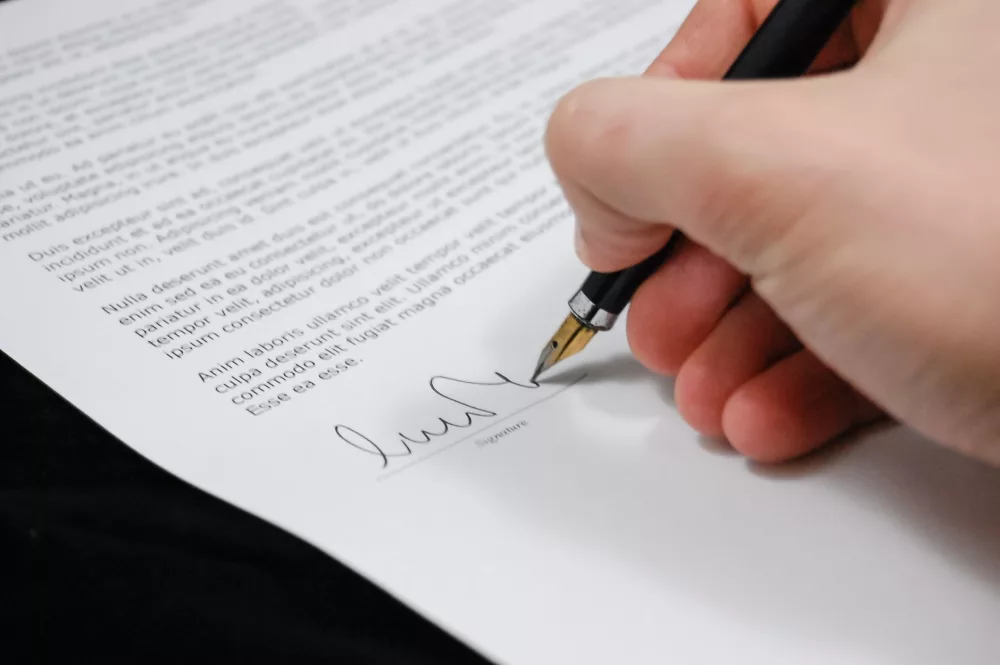
- Signed by the Principal: You, the principal, must sign the document voluntarily. You must be of sound mind when you sign it, meaning you understand what you're signing and its implications.
- Notarization: In most states, a GPOA needs to be notarized. This means a public notary verifies your identity and witnesses your signature.
- Witnesses: Some states also require one or two disinterested witnesses (people who won't benefit from the GPOA) to sign the document.
Because of these varying requirements, I can't stress enough how important it is to consult with an attorney. They can make sure your GPOA is legally sound and valid in your state, which is vital.
Choosing Your Agent: A Decision Not to Take Lightly
Okay, let's talk about choosing your agent. This is a monumental decision, truly. Your agent will have significant control over your financial life. You need someone who is:
- Trustworthy: This goes without saying, but it's the absolute top priority. This person should have impeccable integrity.
- Responsible: They need to be organized and capable of handling financial matters carefully.
- Financially Savvy: While not a professional requirement, someone who understands basic finances will be much more effective.
- Willing to Serve: Make sure the person you choose is comfortable with the responsibility and understands what's being asked of them.
I always advise picking an alternate agent too, just in case your primary choice can't or won't serve. Discuss your wishes and expectations with your chosen agent openly before you finalize the document.
The Agent's Responsibilities and Fiduciary Duty
Being an agent isn't just about having power; it comes with significant responsibilities. The agent has a fiduciary duty to the principal. What does that mean? It means they are legally obligated to act in the principal's best interest, not their own. They must avoid conflicts of interest, keep accurate records, and manage the principal's assets prudently.
Misusing a GPOA can have serious legal consequences for the agent, including civil and even criminal penalties. This is why trust, again, is so incredibly important.
When Does a GPOA Become Effective and How Can It Be Revoked?
A General Power of Attorney typically becomes effective immediately upon signing, unless the document specifies a different start date or triggering event (which would make it a 'springing' POA, a different type). This immediate effectiveness is a common feature of the general form.
What if you change your mind? You absolutely can revoke a GPOA! As long as you are mentally competent, you can revoke it at any time. To do this effectively, you should:
- Create a written document formally stating your revocation.
- Have it notarized.
- Deliver copies to your former agent and any financial institutions that have a copy of the original GPOA.
Don't just verbally tell them; make it official to avoid any confusion or legal challenges down the line.
Potential Risks and the Importance of Legal Counsel
While a GPOA is an indispensable planning tool, it's not without its risks. The broad authority granted means there's a potential for abuse if the agent isn't trustworthy. This is why I consistently recommend careful consideration in agent selection and getting professional legal advice.
A qualified estate planning attorney can help you understand all the implications, draft a document that perfectly reflects your wishes, and ensure it complies with your state's laws. They can also explain the nuances that distinguish a GPOA from other types of POAs, like healthcare directives or specific limited powers. Don't try to navigate this complex legal terrain alone; it's just too important for your financial future.
Ultimately, a General Power of Attorney is a powerful testament to thoughtful planning. It empowers you to protect your financial well-being, even when you can't act for yourself, and it provides immense comfort to your loved ones, knowing that your affairs are in capable and trusted hands.