Goodyear: A Name Synonymous with Rubber, Roads, and Resilience
When I think about iconic American companies, Goodyear always pops into my head. It’s more than just a tire manufacturer; it’s a narrative woven into the very fabric of modern transportation and innovation. We're talking about a company that has literally kept the world moving, from the earliest automobiles to space exploration, and let's not forget that iconic blimp gracing our skies. My goal here is to take you on a journey through the remarkable history and lasting impact of The Goodyear Tire & Rubber Company.
You know, it’s easy to overlook just how revolutionary rubber became. Before the mid-19th century, natural rubber was a pretty tricky material to work with; it got sticky when hot and brittle when cold. It really wasn't practical for much beyond erasers. That all changed thanks to the persistent efforts of Charles Goodyear, who, after years of experimentation, accidentally stumbled upon the process of vulcanization in 1839. This process, involving heat and sulfur, transformed rubber into a durable, elastic, and stable material. It literally opened up a world of possibilities for everything from raincoats to, yes, tires.
The Birth of an Industry Giant
The company we know today wasn't founded by Charles Goodyear himself – a common misconception, I've found. Instead, it was Frank Seiberling, a visionary entrepreneur, who established The Goodyear Tire & Rubber Company in Akron, Ohio, on August 29, 1898. He started with a pretty clear mission: to make the best bicycle and carriage tires possible, alongside horseshoe pads and poker chips! The initial capital was just $100,000, and they had a mere 13 employees. Imagine that! They chose the name Goodyear to honor Charles Goodyear, acknowledging his monumental contribution to rubber technology, even though he had passed away decades earlier.
Early Growth and the Automotive Boom
From those humble beginnings, it didn't take long for Goodyear to really hit its stride. The dawn of the automobile was just around the corner, and suddenly everyone needed dependable tires. Goodyear was right there, ready to meet that demand head-on. Their early innovations focused on improving tire durability and performance. By 1901, they were supplying tires for the very first Ford cars. This partnership was a major win, cementing Goodyear's place at the forefront of the burgeoning automotive industry. Within a decade, they were already recognized as a leading tire manufacturer.
- 1908: Goodyear produced the first detachable rim, making tire changes much easier for motorists.
- 1912: They introduced the first pneumatic airplane tire, a game-changer for the aviation industry.
- 1916: Goodyear became the world's largest tire company, a title it would hold for many years.
That kind of rapid growth wasn't just about good timing; it was about relentless innovation and understanding what customers needed, even before they knew they needed it.
Beyond the Road: Wartime Contributions and Diversification
Goodyear's influence extended far beyond passenger vehicles. During both World War I and World War II, the company played an absolutely crucial role in the Allied efforts. They produced everything from airplane tires and life rafts to barrage balloons and components for tanks and artillery. My goodness, the scale of that wartime production must have been immense. This period really showcased Goodyear's ability to pivot and adapt its manufacturing capabilities for national defense, demonstrating incredible engineering prowess and manufacturing agility.
After the wars, Goodyear continued to diversify. They ventured into chemical products, plastics, and even developed innovative materials for aerospace applications. This broad approach helped them maintain their competitive edge and adapt to changing global markets. It also allowed them to apply their rubber expertise in areas I bet most people wouldn't even consider.
The Blimp: A Sky-High Icon
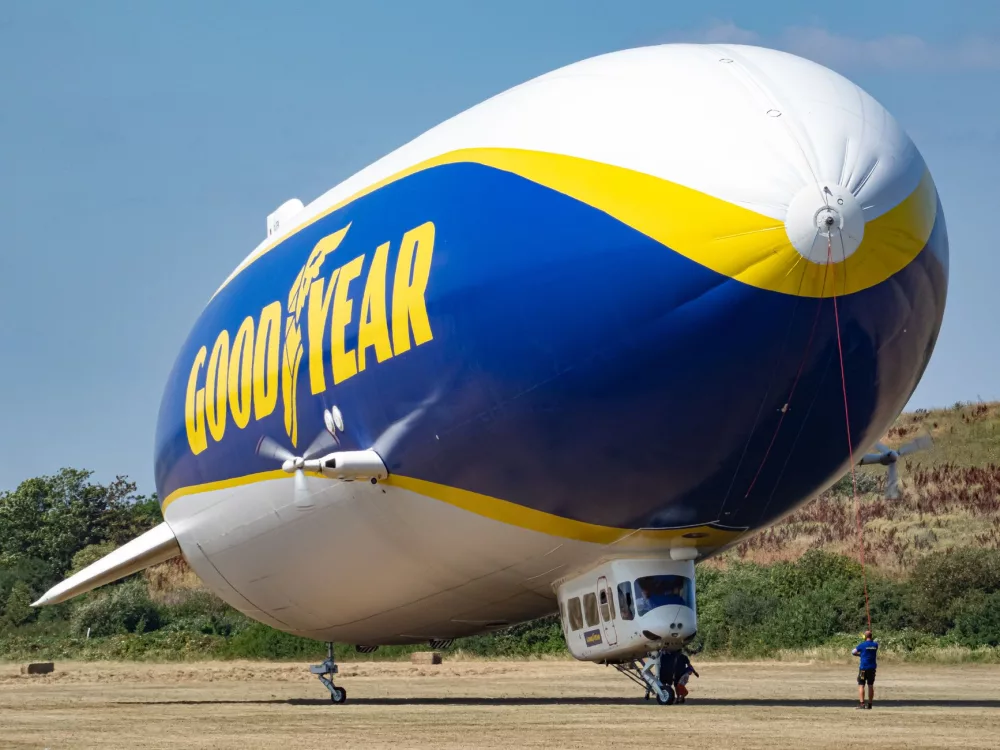
And then there's the blimp. For me, that’s arguably one of the most brilliant marketing strategies ever conceived. The first Goodyear blimp, the Pilgrim, took flight in 1925, and ever since, these majestic airships have become an unmistakable symbol of the brand. They’re not just advertisements; they’re cultural icons, providing aerial views of major sporting events and offering a unique, friendly face to the company. I remember watching them on TV during football games as a kid and always thinking, 'That's so cool!' They truly capture the public's imagination in a way few other branding efforts ever have.
Modern Innovations and a Sustainable Future
In the latter half of the 20th century and into the 21st, Goodyear has continued its tradition of pushing boundaries. They introduced the first commercially available radial tires in North America in the 1970s, which significantly improved tire longevity and fuel efficiency. More recently, we've seen them develop RunOnFlat technology, offering drivers peace of mind by allowing them to continue driving for a limited distance even after a puncture. This is the kind of practical innovation that makes a real difference in people's daily lives.
Today, Goodyear is intensely focused on sustainability and smart mobility solutions. They’re investing in research for tires made from sustainable materials, exploring intelligent tire technologies that can communicate road conditions, and working on tires for electric and autonomous vehicles. The challenge of creating tires that are more fuel-efficient, last longer, and are environmentally friendly is a big one, but I have confidence in their ability to tackle it. It's a continuous balancing act between performance, safety, and ecological responsibility.
A Global Presence and Lasting Impact
Goodyear operates in virtually every major market around the world, employing tens of thousands of people. Their global footprint is massive, and their products are critical components for countless industries and consumers. From the tires on our family cars to the massive tires on mining equipment and commercial airplanes, Goodyear's presence is truly ubiquitous. It’s a company that has shown incredible staying power, adapting through economic downturns, technological shifts, and intense competition.
I think what truly defines Goodyear isn't just their products, but their unwavering commitment to quality, safety, and innovation. They've built a reputation over more than a century by consistently delivering reliable solutions that meet the evolving demands of transportation. So, the next time you see that iconic winged foot logo or catch a glimpse of the blimp in the sky, remember you’re looking at a piece of history that continues to drive us forward, quite literally.